
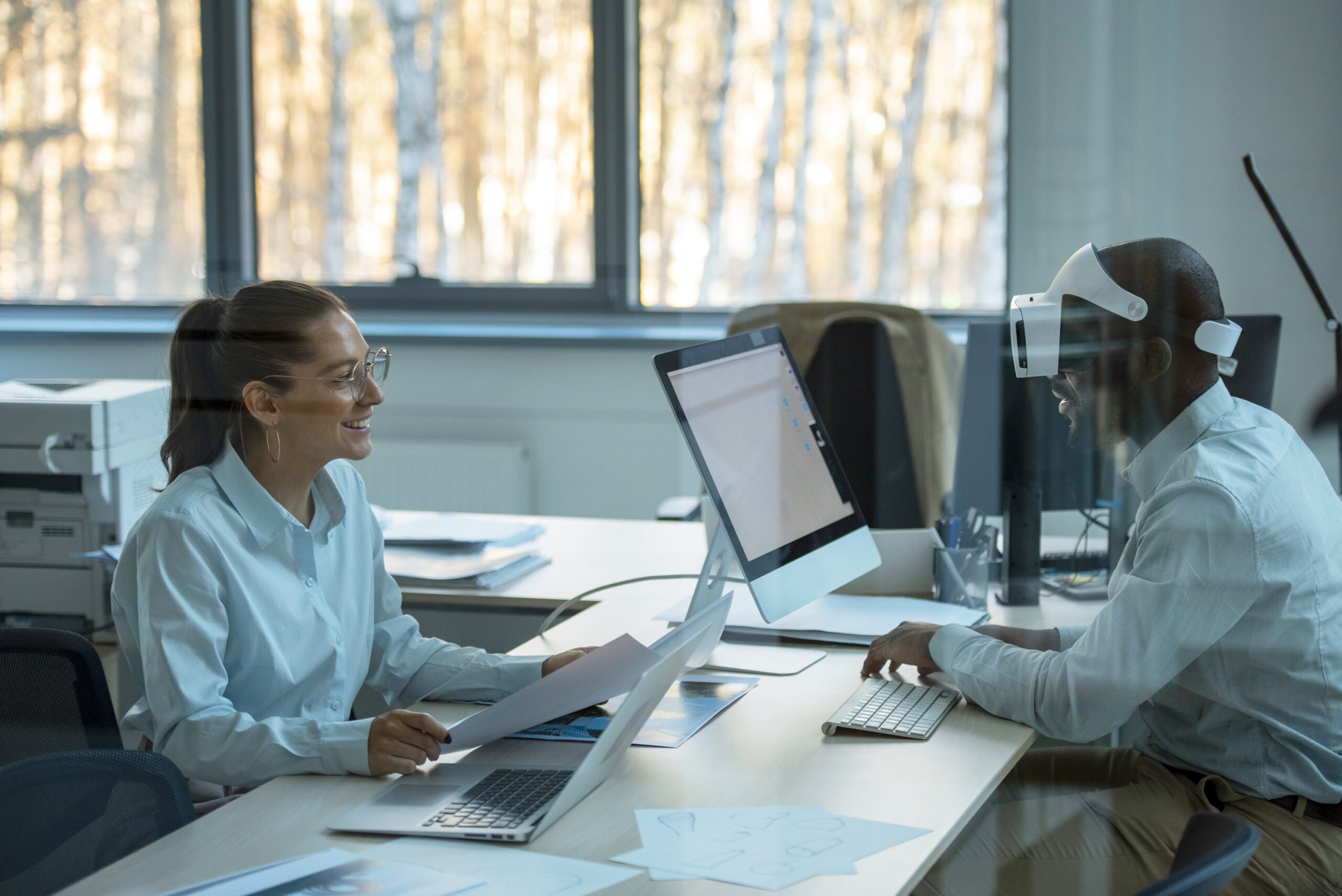
The modern office has changed a lot in recent years. It is no longer just about desks and chairs: technology and smart gadgets are transforming the way we work, making our days more efficient, comfortable and healthy. In this article we will explore the essential gadgets for a smart office, how to choose them and how they can improve your productivity and wellbeing.
What is a smart office?
A smart office is a space designed to maximize productivity and wellbeing, strategically integrating technology and ergonomics. This ranges from adjustable monitors, ergonomic chairs and adaptive lighting systems to digital assistants and gadgets that make it easier to organize the space.
The main goal is not to pile up devices on a whim, but to create an environment that reduces stress, prevents fatigue and lets you focus on what matters. Every element, however small it may seem, helps make work more efficient and comfortable.
Essential gadgets for the modern office
To turn a conventional office into a truly smart space, having a desk and a chair is not enough. The right gadgets make the difference between a chaotic work environment and one that is efficient, comfortable and motivating.
From monitors that look after your posture to digital assistants that simplify daily tasks, each device plays a key role in improving productivity and wellbeing. Below, we look at the essential gadgets every modern office should have.
Adjustable monitors and screens
Adjustable monitors have become a key element of any modern office. They let you adapt the height, tilt and distance of the screen to individual needs, which helps maintain a correct posture and reduces strain on the neck, shoulders and back, common problems for people who spend long hours in front of the computer. This ergonomic flexibility not only protects physical health, but also creates a more comfortable and efficient work environment, avoiding discomfort that can affect concentration and productivity throughout the day.
In addition, ultrawide monitors and multi-screen setups make multitasking much easier. Being able to view documents, emails, spreadsheets or work applications at the same time lets you organize tasks better and save time by not constantly switching between windows. These screens also offer superior image quality, with high resolution and more accurate colors, which is especially useful for design professionals, content editors or anyone whose work requires visual precision. Overall, a quality monitor not only improves ergonomics, but also boosts productivity and the general work experience.
Ergonomic chairs and furniture
A quality ergonomic chair is much more than a comfortable seat: it is an investment in health and productivity. Thanks to its lumbar support, height adjustments and adjustable backrest, it helps keep the spine aligned and reduces tension in the back, neck and shoulders, especially during long hours in front of the computer. A well-designed chair lets you adapt your posture to each person, avoiding muscle problems and promoting comfort, which translates into greater concentration and performance during working hours.
When combined with a height-adjustable desk, the benefit multiplies. This type of desk lets you alternate between sitting and standing, encouraging blood circulation and reducing the fatigue caused by staying in the same position for too long. In addition, working standing up at intervals helps burn calories, improves posture and increases energy during the working day. Together, the combination of an ergonomic chair and an adjustable desk creates a healthy, dynamic and adaptable work environment that not only protects the body but also boosts productivity and overall wellbeing.
Smart lighting
Proper lighting in the office goes far beyond simply seeing what is on the desk; it has a direct impact on concentration, mood and eye strain. Working under insufficient or overly intense light can cause eye fatigue and headaches and reduce productivity. That is why having a smart lighting system has become essential in modern offices, making it possible to create an environment that adapts to the needs of each person and each task.
Dimmable lighting systems let you adjust both the intensity and the color of the light according to the time of day, the type of work or even personal preferences. For example, warmer light can help create a relaxed atmosphere for creative tasks, while bright white light improves concentration during activities that require precision. Some systems integrate with digital assistants or mobile apps, making automatic or scheduled adjustments that optimize comfort without interrupting the workflow. In this way, smart lighting not only protects your eyesight, but also contributes to a more pleasant and efficient space, improving the overall work experience.
Advertisement

Space organization and cable management
Keeping the desk tidy is fundamental to working efficiently and with focus. A clear space lets the mind concentrate on important tasks, avoiding unnecessary distractions and improving productivity. Clutter not only affects aesthetics, but can also generate stress and a feeling of chaos, making work feel heavier and less enjoyable.
To keep things in order, the right gadgets can make a big difference. Wireless chargers eliminate the need for multiple cables, while docking stations let you centralize devices and connections in one place. Cable and accessory organizers help keep everything in its place, creating a clean and professional environment. This combination of solutions not only improves the look of the office, but also streamlines the daily workflow, saving time and effort when searching for devices or connections, and boosting efficiency in every task.
Digital assistants and smart speakers
Digital assistants and smart speakers have become indispensable allies in the modern office. These devices let you set reminders, manage meetings, look up information or control other gadgets through voice commands, which simplifies many tasks that used to require constant manual attention. Their ability to centralize functions and automate everyday actions frees up time to focus on the tasks that really matter, improving efficiency and daily organization.
In addition, their integration with other office devices, such as lights, monitors or videoconferencing systems, makes it possible to create a connected and highly functional environment. For example, you can switch on or adjust the lighting, start virtual meetings or play relevant information without interrupting your work. This connectivity reduces distractions and keeps the workflow steady, offering a smoother and more comfortable experience. Digital assistants not only optimize time, but also boost productivity and contribute to a smarter workspace adapted to each user's needs.
How to choose the right gadgets
Not every device is necessary for every person or every office. When selecting gadgets, it is important to consider the budget, the type of work and individual needs. It is advisable to start with the essentials — monitor, chair and desk — and then add other devices according to their usefulness and impact on productivity.
Benefits of a smart office
An office equipped with the right gadgets offers multiple advantages:
- Organization and efficiency: clean, tidy spaces that support concentration.
- Higher productivity: fewer distractions and tools that make work easier.
- Physical and mental wellbeing: less postural pain and eye strain.
- Time savings: automated routine tasks and faster information management.
Trends for 2026
Smart offices will continue to evolve rapidly in the coming years, driven by the integration of advanced technologies such as artificial intelligence, wellbeing sensors and devices that make it possible to monitor productivity in real time. These systems not only automate routine tasks, but also provide valuable information on how the workspace is being used, allowing personalized adjustments that increase employees' efficiency and comfort. For example, motion or temperature sensors can optimize lighting and climate control, while productivity analytics tools help identify peak performance hours and areas where organization can be improved.
In addition, hybrid remote work will keep consolidating as a flexible working model, which will require solutions that connect teams effectively, both inside and outside the office. Collaborative platforms, advanced videoconferencing systems and integrated virtual environments will make it possible to maintain communication and coordination between employees, no matter where they are. Automation and connectivity will therefore be the key to creating more efficient, adaptable and results-focused working days. The offices of the future will seek not only productivity but also wellbeing, adapting to individual needs and promoting a balance between performance and quality of life at work.
Conclusion
Creating a smart office is not simply about filling the space with the latest technology or buying every gadget we see on the market. The real key is to carefully select the devices that truly add value and make daily work easier. A correctly positioned monitor, respecting the right height and distance, together with an ergonomic chair that looks after your posture, can make the difference between an exhausting day and a productive one. Proper lighting, adjustable to the task and the time of day, and the integration of digital assistants to organize meetings, reminders and routine tasks, complete the environment, turning the office into an efficient and comfortable space.
Every gadget, however small or secondary it may seem, plays an important role. When combined strategically, they not only increase productivity but also contribute to the physical and mental wellbeing of the professional. In addition, a tidy, organized and technologically optimized environment saves time, reduces distractions and creates a smoother work routine. Together, these elements form a space designed not only to perform better, but also to feel good while working. The ideal smart office is not a luxury, but an investment in health, comfort and efficiency, where technology becomes a true ally that boosts daily performance and improves quality of working life.